


Table of Contents
- Introduction: Why does choosing between glossy and matte polyurethane paint for cabinet doors matter?
- What are glossy and matte polyurethane paints? An examination of their nature, structure, level of shine, and visual differences
- Functional comparison of glossy and matte finishes on cabinet doors: resistance, scratches, cleaning, durability, and impact on light and space
- A selection guide based on interior style, cabinet type, ambient light level, and kitchen usage
- Professional tips for applying polyurethane paint to cabinet doors to achieve a luxurious and long-lasting result
- Summary: Which choice is more suitable for your project?
- Frequently Asked Questions
Introduction: Why does choosing between glossy and matte polyurethane paint for cabinet doors matter?
The quality and performance of the final coating on cabinet doors depend on the type of surface finishing. In this context, choosing the right polyurethane paint between matte and glossy finishes plays a key role in controlling light reflection, scratch resistance, and ease of cleaning.
Technical experts at Alvan Choob Eslami Group provide engineered options based on the amount of light in the space and its intended use. Understanding the physical characteristics of each finish ensures a surface with high mechanical durability and lasting beauty.
What are glossy and matte polyurethane paints? An examination of their nature, structure, level of shine, and visual differences
Nature and chemical structure of polyurethane
Polyurethane coatings are formed from the addition reaction of polyol resin and isocyanate hardener. The dense cross-links in the polyurethane polymer structure create a thermoset film that is resistant to mechanical wear, moisture, and solvents on wood and MDF.
Visual differences and level of shine
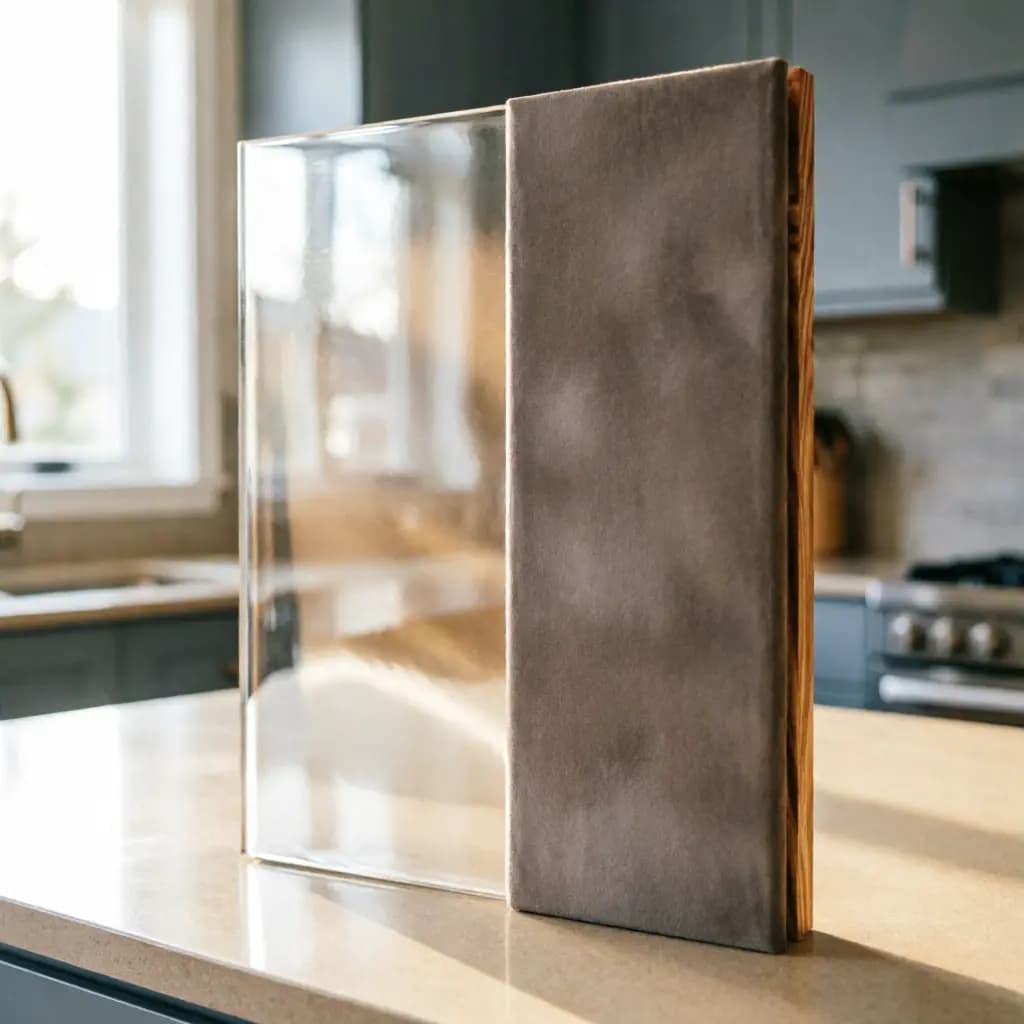
The difference between these two finishes depends on the gloss level resulting from the amount of matting fillers:
- Glossy finish: Gloss level above 85 percent, concentrated light reflection, and visual depth in the space
- Matte finish: Gloss level below 20 percent, even light diffusion, and concealment of scratches and fine surface defects
Ultimately, to choose a polyurethane paint suited to the application and ambient light, a careful review of cabinet door installation tips helps achieve the highest coating quality.
| Criterion | Glossy | Matte | More suitable for |
|---|---|---|---|
| Shine and appearance | More light reflection and a clear finish | Less reflection and a softer appearance | Luxurious or simple spaces |
| Visibility of scratches | Scratches and waviness are more visible | Surface imperfections are less noticeable | Frequently used doors |
| Cleaning and stains | Fingerprints and stains show up faster | Stains draw less attention | Busy kitchens |
| Effect on room light | Diffuses light more and makes the space appear brighter | Creates a calmer, more uniform feel | Low-light or bright spaces |
| Compatibility with décor style | Suitable for modern and statement styles | Suitable for minimalist and calm styles | Based on the project style |
Functional comparison of glossy and matte finishes on cabinet doors: resistance, scratches, cleaning, durability, and impact on light and space
In professional cabinet finishing, choosing a two-component acrylic polyurethane paint in super-matte or high-gloss finishes directly affects abrasion resistance, maintenance, and the visual perception of the space.
Differences in resistance, scratches, and light reflection
High-gloss coatings, with their mirror-like reflection, make the space look brighter, but they reveal grease marks and fingerprints more quickly. According to the gloss and shine level standard, polished surfaces have direct reflection; matte finishes, on the other hand, with light diffusion, perform excellently at concealing fine scratches.
Application techniques and surface durability
Controlling dry film thickness and mastering topcoat application through a specialized wood finishing training course enhances the stability of both finishes against mechanical stress.
- Matte finish: High durability against wear, conceals substrate imperfections, and is an ideal option for high-traffic environments.
- Glossy finish: Creates strong visual depth, requires precise polishing, and is a luxurious choice for low-light spaces.
A selection guide based on interior style, cabinet type, ambient light level, and kitchen usage
To optimize the durability and beauty of the space, the choice of polyurethane paint should be based on ambient light intensity, interior architectural style, and the rate of physical wear on the units.
The impact of ambient light and décor style
In dark spaces or smaller areas, high-gloss coatings increase light reflection; a factor measured by the gloss unit in the surface gloss and reflectance standard. In modern and minimalist styles, matte finishes reduce visual distortion and staining.
Kitchen usage and material type
- In units near the sink and stove, applying a two-component polyurethane paint with high moisture and heat resistance is essential.
- Reviewing film thickness and resin type in the comprehensive guide to wood coatings ensures compatibility with the wood or MDF substrate.
Professional tips for applying polyurethane paint to cabinet doors to achieve a luxurious and long-lasting result
Proper surface preparation and standard layering
Proper application of industrial coatings requires precise surface preparation. In this process, the choice of a two-component polyurethane paint is made according to MDF density and cabinet usage. Careful putty application with polyester filler, sequential sanding (grit 240 to 400), and applying an isolating primer ensure full adhesion of the final film.
Controlling spraying conditions and increasing durability
To prevent defects such as orange peel and achieve a uniform surface, observing technical parameters is essential:
- Adjusting the spray gun pressure to 2 to 2.5 bar and maintaining the exact hardener ratio
- Achieving the highest scratch resistance through gradual drying at 25 degrees Celsius
Controlling air filtration in the spray room and allowing full curing time ensure gloss stability and the long-lasting performance of the doors.
Summary: Which choice is more suitable for your project?
Ultimately, the right polyurethane paint is determined based on environmental conditions, mechanical stress, and final usage. For high-traffic wooden floors or open spaces, two-component systems provide maximum resistance to wear, moisture, and UV rays thanks to cross-linking; meanwhile, one-component systems are a fully optimized and efficient option for decorative interior structures.
To select the proper coating system precisely according to your project’s technical conditions, you can contact our technical experts for specialized guidance and to choose the right coating.
Frequently Asked Questions
What is the advantage of glossy polyurethane paint for cabinet doors?
Glossy polyurethane paint makes the surface look brighter and more luxurious and reflects light better. This type of coating usually makes the space appear brighter and larger, but it also shows scratches and stains more clearly.
Is matte polyurethane paint better for cabinets or is glossy better?
The choice between matte and glossy depends on the décor style and how much the cabinets are used. Matte has a more modern and calm appearance and shows fingerprints and stains less, while glossy creates a more elegant and shinier look.
Does matte polyurethane paint have less durability than glossy?
No, the durability of polyurethane paint depends more on application quality and materials used than on whether it is glossy or matte. Both types can offer good resistance to moisture and wear when applied properly.
Which type of polyurethane paint is better for kitchen cabinets?
If your kitchen is small or lacks natural light, glossy paint can make the space look brighter. But if you want a stylish, simple, and low-maintenance appearance, matte is the more suitable choice.
How do we choose between glossy and matte for cabinet doors?
To make the best choice, consider the amount of light in the space, the décor style, and sensitivity to stains and scratches. If easy cleaning and a modern look matter most, matte is more suitable; if shine and visual impact are the priority, glossy is the better option.